Organised by the Porto Faculty of Law, Universidade Católica Portuguesa, in partnership with five European higher education institutions, “Bridging Knowledge and Understanding Through Cultural Heritage” is an Erasmus+ Blended Intensive Programme (BIP) that explores cultural heritage as a bridge between peoples, disciplines and generations.
Hosted in the historic city of Porto, the programme combines a virtual preparatory component with an intensive on-site week, addressing the political, legal, economic and social dimensions of cultural heritage in contemporary global affairs.
At a time when multilateralism faces increasing pressure, cultural heritage is approached both as a vulnerable field, exposed to conflict, politicisation and commodification, and as a powerful vehicle for dialogue, sustainable development and human rights protection.
Through interdisciplinary lectures, expert seminars, structured discussions and immersive visits to cultural and institutional venues in Porto, participants critically engage with heritage as a living, contested and transformative force.
Programme Description
The programme brings together academic reflection and field-based observation to examine the role of cultural heritage in contemporary society. Its central focus is the way cultural heritage intersects with international relations, conflict, peacebuilding, human rights, sustainable development, identity and cultural diplomacy.
By combining a virtual component with an intensive week in Porto, the BIP creates a blended learning environment that prepares participants for in-person discussion while encouraging intercultural exchange from the outset. The virtual phase introduces the programme’s key concepts and establishes a shared academic foundation. The on-site week then develops this work through lectures, seminars, expert-led sessions, group activities and study visits.
The programme adopts an interdisciplinary perspective, examining cultural heritage through legal, political, economic and sociocultural lenses. Particular attention is given to cultural heritage protection frameworks, international and European mechanisms safeguarding cultural property, human rights-based approaches, colonial legacies, restitution, cultural rights, linguistic diversity, heritage governance and the economic impact of heritage.
A central objective is to explore the connection between heritage and sustainable development, including sustainable tourism models that seek to balance preservation, community benefit and commercial viability. The programme also considers cultural diplomacy and soft power, including the role of food, art, language and creative industries as instruments of diplomacy and international engagement.
Porto as a Living Laboratory
Through its blended methodology and immersive setting, the programme positions Porto not only as a host city, but as a living laboratory where history, culture and dialogue converge.
Study visits link theory and practice through direct engagement with cultural institutions and heritage sites in Porto, including Fundação de Serralves, Casa da Música, Igreja e Museu de São Francisco, Palácio da Bolsa, Ferreira Port Wine Cellars and Câmara Municipal do Porto.
By integrating classroom reflection with field-based observation, the programme fosters intercultural dialogue, critical thinking and collaborative problem-solving. This experiential dimension allows participants to connect academic discussions with real-world heritage contexts, exploring how landscape, architecture, commerce, identity and institutional memory intersect in the city of Porto.
Learning Outcomes
By the end of the programme, participants will be able to critically analyse contemporary challenges affecting cultural heritage in contexts of war, globalisation and political transformation.
They will be able to assess the socio-economic dimensions of heritage management, including the opportunities and risks associated with sustainable tourism strategies, and to reflect on the ethical and political implications of colonial heritage and restitution debates within broader frameworks of justice and human rights.
Participants will also be able to apply interdisciplinary perspectives to concrete case studies examined during lectures, seminars and site visits, integrating theoretical knowledge with practical observation and critical analysis.
At the intercultural and civic level, the programme strengthens teamwork, communication skills and comparative analytical competences. It also encourages a nuanced awareness of Europe’s shared and contested heritage and reinforces the importance of multilateral cooperation and mutual understanding.
Components
Virtual Component
25 June 2026
10:00 am – 1:00 pm, Portugal time
The virtual component is intentionally concise and focused, designed to prepare participants for the intensive on-site week in Porto while ensuring a shared academic foundation and early intercultural engagement.
This short online phase introduces the core concepts and thematic framework of the programme, including multilateralism, cultural heritage protection, sustainable tourism, cultural rights, and the economic and political dimensions of heritage.
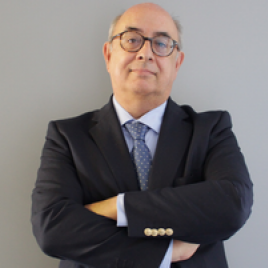
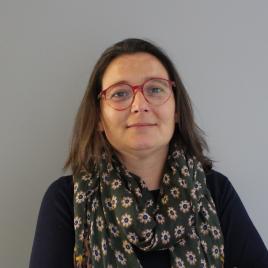
With:
Professor José Alberto Azeredo Lopes
Professor Maria Isabel Tavares
In-person Component
2–8 July 2026
Porto, Portugal
The in-person component includes academic sessions, expert-led lectures, structured discussions, guided visits, group work, reflection sessions and assessment activities.
ECTS and Assessment
The programme awards 3 ECTS, based on 75 hours of work:
- 21 hours of classes;
- 7 hours of visits;
- 47 hours of autonomous work.
Learning is assessed through active participation, group work, reflection sessions and a final multiple-choice evaluation test.
Assessment also includes a written essay to be delivered by 23 July 2026.
The programme concludes with a multiple-choice evaluation test, a closing ceremony and a cultural networking event.